
In today’s digital world, businesses are constantly competing for attention online. With so much information available, traditional advertising alone is often not enough to capture people’s interest. This is where content marketing comes in. Instead of directly selling a product or service, content marketing focuses on providing useful, interesting, or entertaining information that attracts and engages an audience.
Content marketing is a strategic approach to creating and sharing valuable content to attract potential customers, build trust, and ultimately encourage them to take action, whether that means making a purchase, signing up for a service, or learning more about a brand.
Understanding Content Marketing
Content marketing involves creating and distributing content that informs, educates, or entertains an audience. The goal is not to constantly push sales messages, but to offer value that keeps people coming back.
Examples of content marketing include:
- Blog articles
- Social media posts
- Newsletters
- Press releases
- Videos and podcasts
- Guides and how-to articles
When businesses consistently produce high-quality content, they position themselves as experts in their field. Over time, this builds credibility and encourages people to trust the brand.
Why Content Marketing Matters
Consumers today often research products and services before making decisions. They read articles, watch videos, and explore social media to learn more about companies and their offerings.
Content marketing lets businesses to be part of that research process by providing helpful information that answers questions and solves problems. Instead of interrupting people with advertisements, content marketing meets them where they are already looking for information.
Some of the main benefits of content marketing include:
- Building trust with audiences: Helpful content shows that a brand understands its audience’s needs.
- Improving online visibility: Regular content helps websites rank higher in search engines like Google.
- Establishing authority: Businesses that share valuable insights are often seen as industry experts.
- Generating leads: Quality content can encourage readers to contact a business or review its services.
How Content Marketing Works
Successful content marketing starts with knowing the audience. Businesses must know who they are trying to reach and what information those people are looking for.
Once this is clear, the next step is to create content which addresses those needs. This could involve answering common questions, explaining complex topics in simple terms, or sharing useful tips.
Consistency is also important. Posting one blog article or social media update occasionally will not have the same impact as maintaining a steady flow of content over time. Regular updates signal to both readers and search engines that a website is active and relevant.
Types of Content That Work Well
Different audiences respond to different types of content, but several formats tend to perform well across many industries.
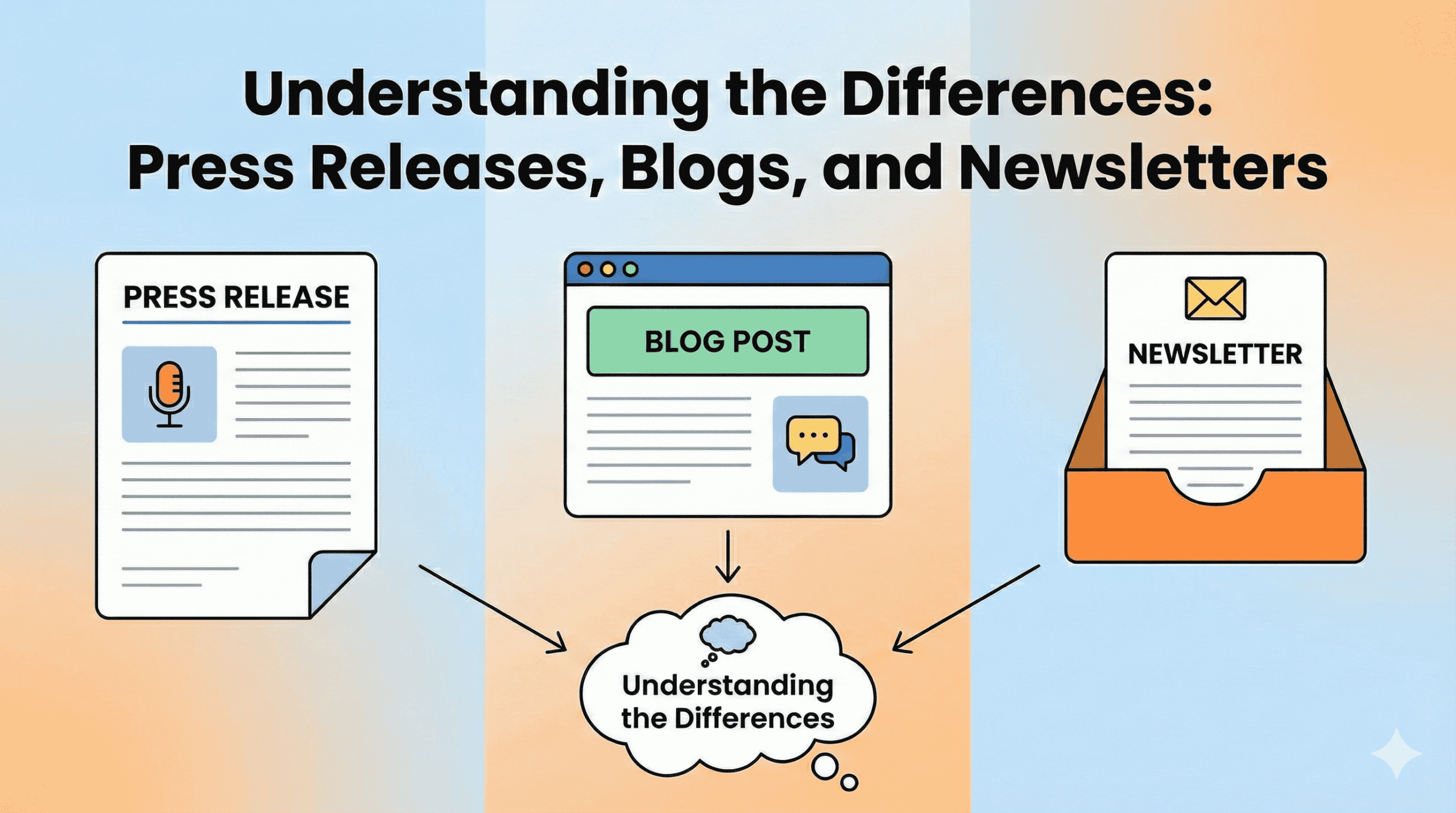
Blog posts are one of the most effective tools for content marketing. They allow businesses to share detailed information, improve search engine visibility, and drive traffic to their websites.
Social media content helps brands stay connected with their audiences in real time. Short updates, tips, and visual posts can quickly capture attention and encourage engagement.
Press releases are useful for announcing company news, product launches, or industry developments while also helping businesses gain media exposure.
Email newsletters allow companies to maintain direct communication with their audience and share updates, articles, or promotions.
The Role of SEO in Content Marketing
Search engine optimisation (SEO) plays a crucial role in content marketing. By using the right keywords and creating relevant, well-structured articles, businesses increase their chances of appearing in Google search results.
For example, someone searching for advice on a particular topic might discover a blog article that answers their question. This introduction to the brand can eventually lead to further engagement or a future purchase.
SEO-friendly content not only attracts visitors but also helps maintain long-term visibility online.
Why Quality Content Matters
Not all content has the same impact. Search engines and readers both favour content that is clear, useful, and well written. Articles that genuinely help readers tend to perform better than those that simply repeat generic information.
Quality content should be:
- Informative
- Easy to read
- Relevant to the audience
- Original and authentic
Well-crafted content also reflects positively on a brand, showing professionalism and attention to detail.
The Long-Term Value of Content Marketing
One of the biggest advantages of content marketing is its long-term value. Unlike paid advertising, which stops producing results once the budget runs out, high-quality content can continue attracting readers months or even years after it is published.
A helpful blog post or guide can keep bringing visitors to a website, generating leads and building awareness long after it first appears online.
Final Thoughts
Content marketing has become one of the most effective ways for businesses to connect with their audiences in the digital age. By creating informative and engaging content, brands can build trust, improve their online visibility, and position themselves as experts in their industry.
Businesses that invest in consistent, high-quality content are more likely to stand out in an increasingly competitive online landscape.
At APC Publishers, professional writers work with businesses to create compelling articles, blogs, and press content designed to inform audiences and strengthen brand presence online. Through thoughtful storytelling and strategic content creation, businesses can share their message with the people who matter most.